The Art of Flowers... with Hannah Moore of SNIFF


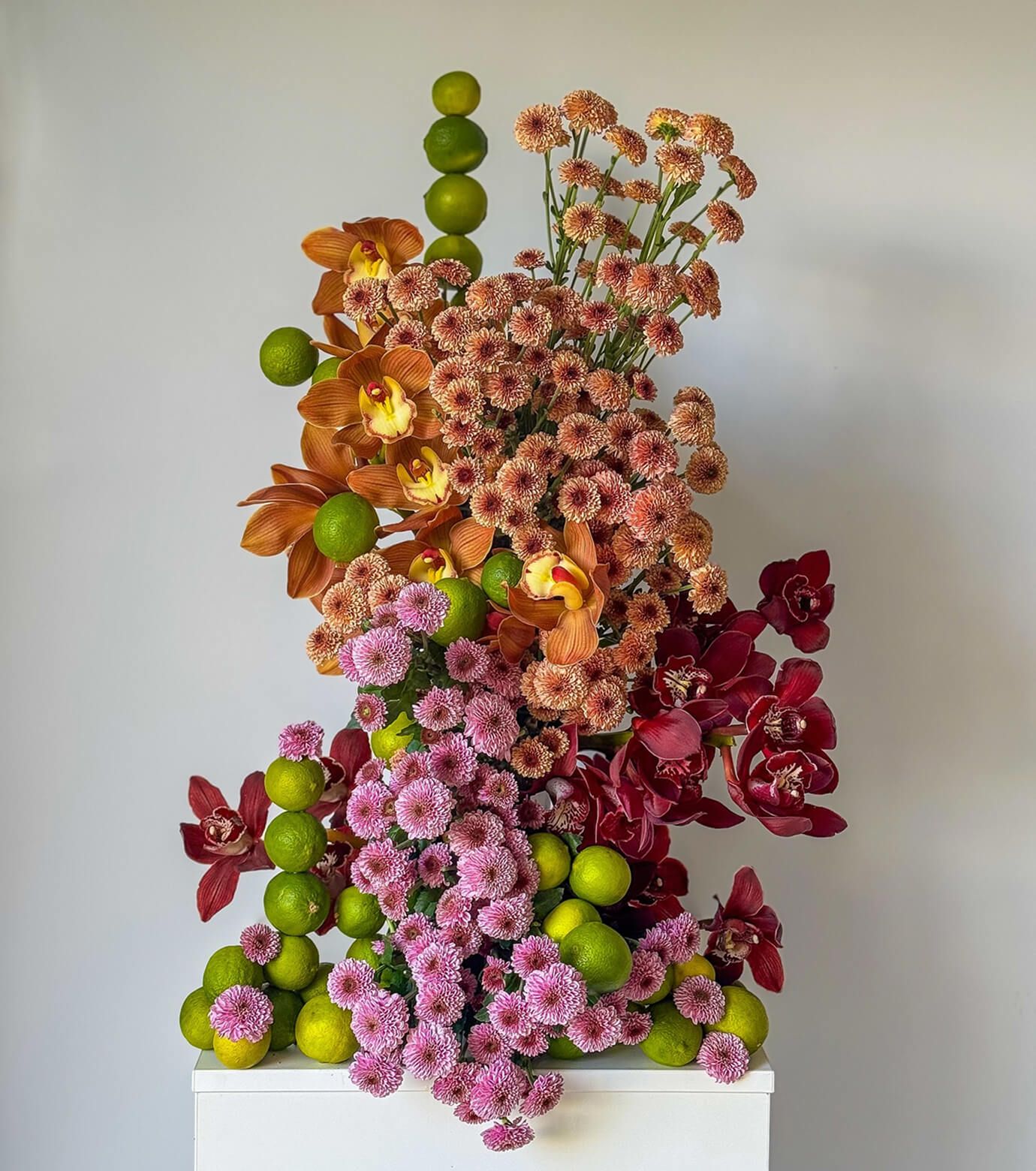
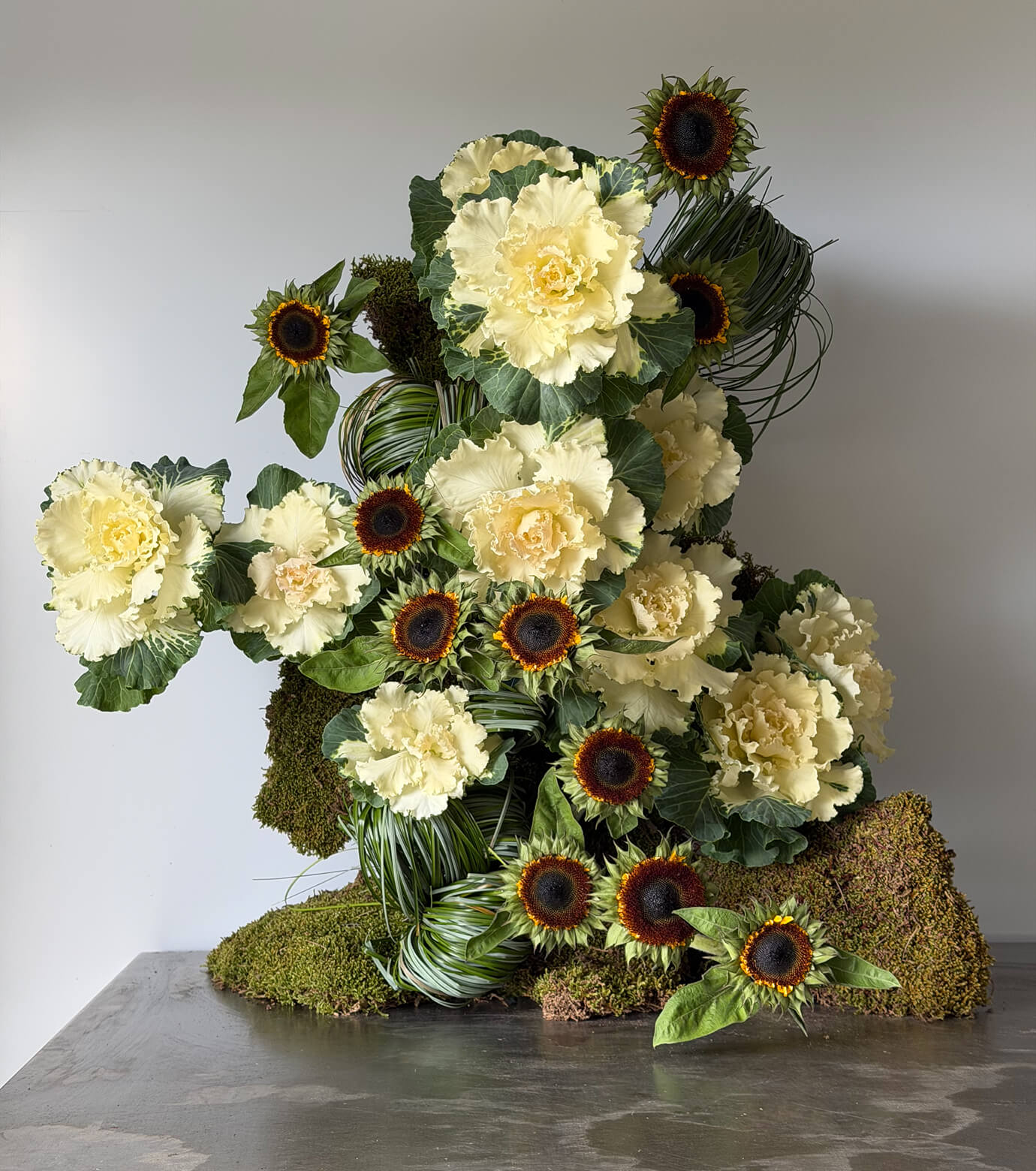
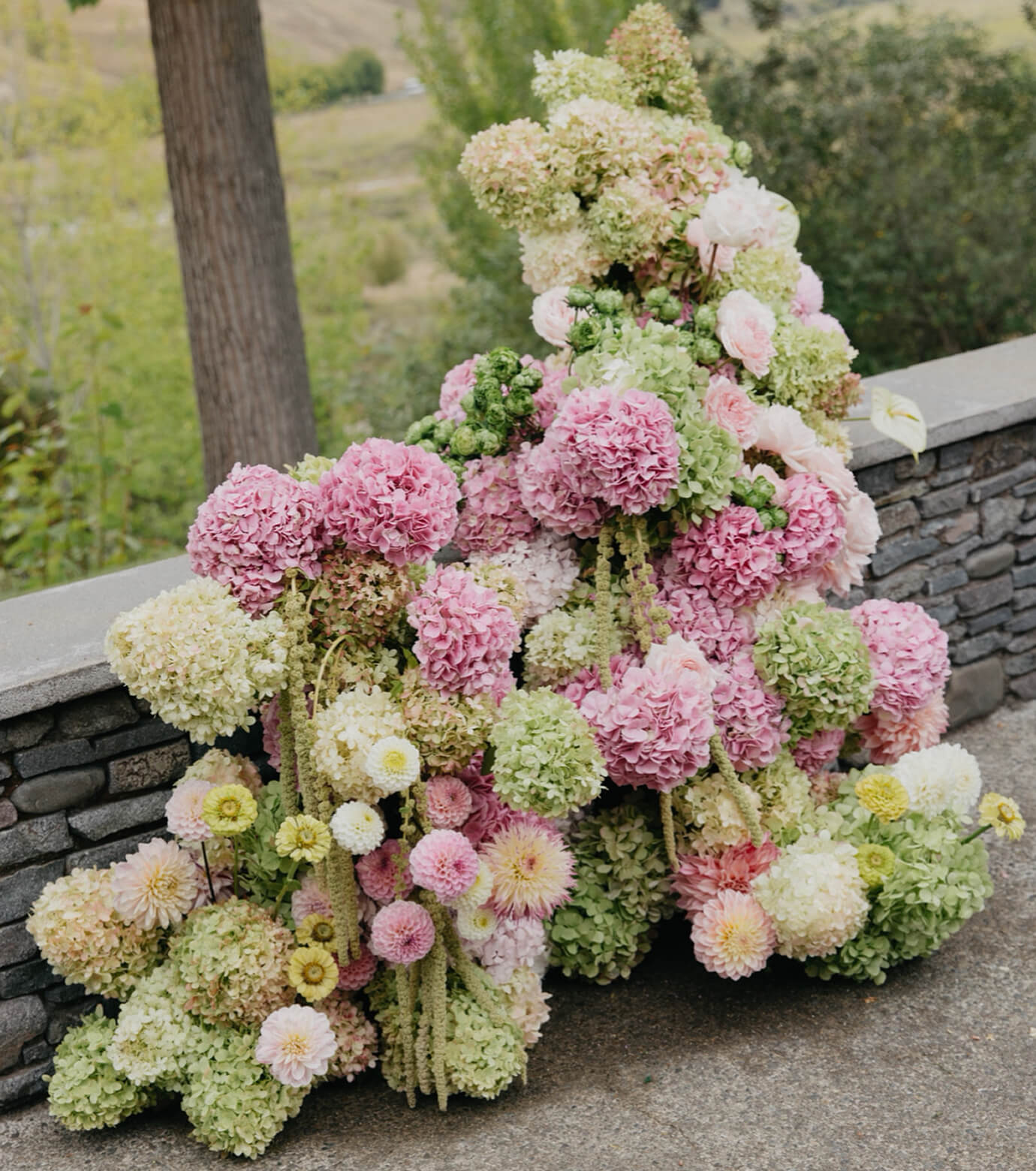
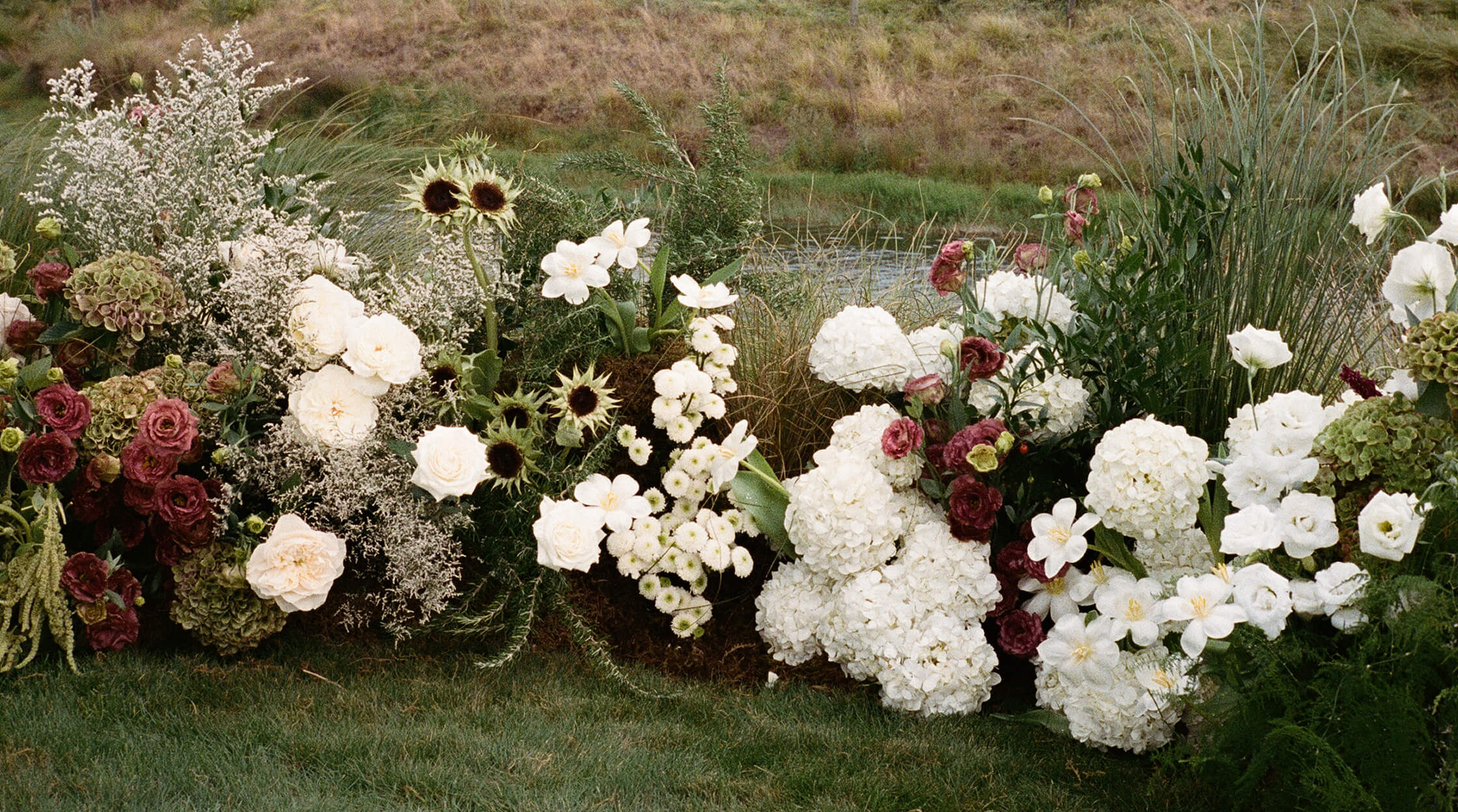
Now, Hannah works out of Hawke's Bay under her studio SNIFF (although her work takes her around the country), creating bouquets and large-scale installs that have established her creative signature as sculptural, confident-in-colour and a little unexpected. Think soft petals fashioned around a solid structure, sculptural orchids, colour blocks that promise to make a statement when set against big skies and sprawling, sparse settings. "I'm not trying to make something overly romantic or fluffy," Hannah says. "I like tension."
We sat down with Hannah to talk about how she grew one of the most sought-after floristry businesses in the country from a 1963 Monroe Pixie van, what makes an arrangement feel finished, and why she thinks the real magic of floristry is the ability to make it all look effortless.
.jpg?w=1200&h=1357&q=85&auto=format&dpr=2)
.jpg?w=1200&h=1357&q=85&auto=format&dpr=2)
I definitely didn’t grow up dreaming of being a florist, but I’ve always been that person rearranging things. Art, fashion, interiors… I’ve always been drawn to colour and composition. I kind of fell into floristry while working on superyachts in Europe in my early twenties. One of my jobs was putting together flowers for charter trips, and overtime I realised how much they could transform a space, and it was such a creative outlet for me. You could walk into a blank, slightly boring space and then suddenly, with the right shapes and colour, it felt alive. That’s when it became art to me. After that I moved to Sydney to train properly, then to Auckland to learn the NZ markets inside out. There was a flower caravan phase in there too (a very cute 1963 Monroe Pixie van), lots of experimenting, lots of figuring out what actually felt like me. SNIFF is basically the refined version of all of that.
Hawke’s Bay has this beautiful, open light that makes colour feel really clean and bold. There’s also such a strong sense of season here, you feel it properly. That rhythm definitely influences what I design. There’s a lot of fruit, vineyards, dry grass, and big skies. I think that’s why I’m drawn to strong colour blocks and sculptural forms, they stand up to the landscape.
Sculptural. Colour confident. Slightly unexpected. I’m not trying to make something overly romantic or fluffy. I like tension, soft petals with strong structure, and clean shapes with movement. There’s definitely a fashion influence there.


I usually start with a feeling rather than flowers. What do they want the space to feel like? Calm? Bold? Playful? Dramatic? From there I build a colour story and think about form - height, scale, negative space. I’m quite instinctive once I start designing, but the structure behind it is considered.
I think movement is everything. I don’t want things to feel static. I pay a lot of attention to how stems arc, how blooms sit against each other, how colour travels through an arrangement.
When nothing feels forced. If I find myself adding just to fill space, it’s usually wrong. When it’s finished, it feels strong from every angle.
Season first, always. Colour needs to be intentional, I don’t love random palettes. And form has to have purpose. Even when something looks wild, it’s thought through.
“Movement is everything. I don’t want things to feel static.”
.jpg?w=1200&h=1357&q=85&auto=format&dpr=2)
.jpg?w=1200&h=1357&q=85&auto=format&dpr=2)
.jpg?rect=1,0,2239,1248&w=1920&h=1070&q=85&auto=format&dpr=2)

It changes constantly, but if I had to choose today, I'd say orchids. I love how many different species there are - the colours are insane, the shapes are almost alien, and the patterns can look completely unreal. Some of them look like they’ve been designed rather than grown. They’re also incredibly versatile. You can use them in a really minimal, sculptural way, just a single stem in a vessel, or go dramatic and layer them into something lush and unexpected. They work in super modern settings, but they can also feel romantic depending on how you style them. The rarer varieties we don’t often see here in NZ are the most special to me.
They’re important. I try to source locally first and work with what’s naturally thriving, it just makes sense creatively and environmentally. At the same time, weddings don’t always align with seasons. It’s about balance and being thoughtful rather than rigid.
A mix of growers here in Hawke’s Bay and the Auckland markets. I love building relationships and supporting local growers. If something specific isn’t available here, I’ll import. This summer I've had to import roses, calla lilies and anthuriums and anything tropical. They've been in high demand this wedding season.
New Zealand grown flowers are incredible - especially when they’re in season. They have a freshness you can’t replicate. Imports can allow for very specific colours or shapes, especially for weddings. For me it’s about intention - not overusing them, but bringing them in when they genuinely elevate the design or by request.
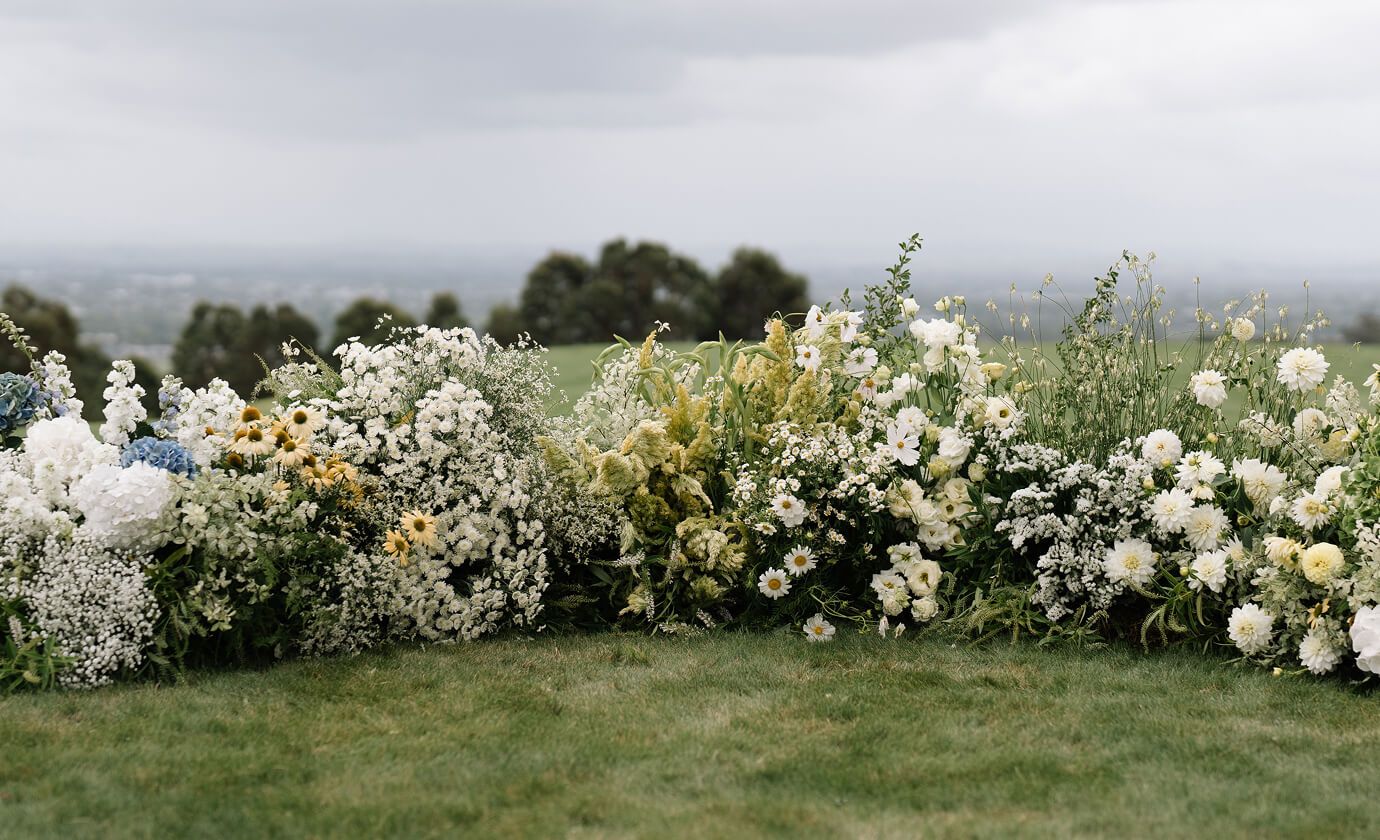
Honestly, there isn’t one particular bouquet or installation that stands out above the rest. Each one reflects the client, my energy at that moment, and the feeling of that specific date. The installs that stay with me most tho are the ones where I’m given complete creative freedom. When clients fully trust my style, I feel less pressure and the design just flows naturally.
.jpg?w=1200&h=730&q=85&auto=format&dpr=2)


In joyful moments, flowers amplify energy, they’re expressive and bold. In moments of loss, they’re quieter. It’s more about comfort and softness. The intention behind them shifts, and that’s powerful.
I’m more confident in my style now. At the beginning you try to please everyone. Now I trust my instinct more and lean into what feels strong and true to the brand and my creative instinct.
Balancing creativity with the reality of running a business. You can’t just design - you’re also managing logistics, budgets, timelines, and seasons! It’s taught me about structure, which actually supports creativity.
I’d love to keep pushing scale - more sculptural installations, bigger moments, things that really shift a space. I’m also really drawn to how flowers translate beyond events. Over the years I’ve taken thousands of photos - weird shapes, fruit weaved into florals, moments in the creative process. I’d love to turn that into something tangible, maybe a coffee table book one day. Or even a series of prints. I think some of those images would be beautiful as art in a home. Worst case, they’ll just end up framed in my own house, but it’s something I’m working on.
That it’s not just “putting flowers in a vase.” It’s timing, sourcing, conditioning, colour theory, mechanics, physical labour, problem solving - and then making it look effortless at the end. That’s the magic part.
Discover more stories, celebrations, along with many more inspiring weddings and editorials in our VEIL print issues. Purchase your copy here.
Related stories
- Weddings
- Weddings
- Weddings
- Weddings

The Long Game
Meeting as teenagers and falling in love against the odds, this couple carried an almost-20-year history into their blissful Hunter Valley celebration.

Home is Where the Heart is
A celebration of enduring love, Zoë and Dan’s intimate Auckland wedding was a reflection of family, authenticity and home.

Heart Set On Venice
Despite an early hurdle threatening their dream wedding, these childhood sweethearts pulled off a breathtaking Italian celebration.

This Must Be the Place
In the back garden of the bride’s family home, under sprawling Pohutukawa trees, this couple planned a ceremony that gave tradition a refined reimagining.